
Picking pokies that spit out fewer, bigger hits changes the way you plan a session, and it’s not just about chasing a huge payout. You need to weigh hit frequency, bankroll sizing, and whether the operator’s cashier actually supports the pace you’re playing at. I’ve seen release candidates fail because the RTP curve looked fine on paper but the volatility profile didn’t match the payment flow, and money-train-4-au.com that’s the same kind of mismatch that turns a quiet Tuesday arvo into a stressed one. If you’re weighing how to select high volatility pokies, treat it like a release-readiness check: match the game’s swing to your limits before you fund the account.
Match the swing to your bankroll before you fund
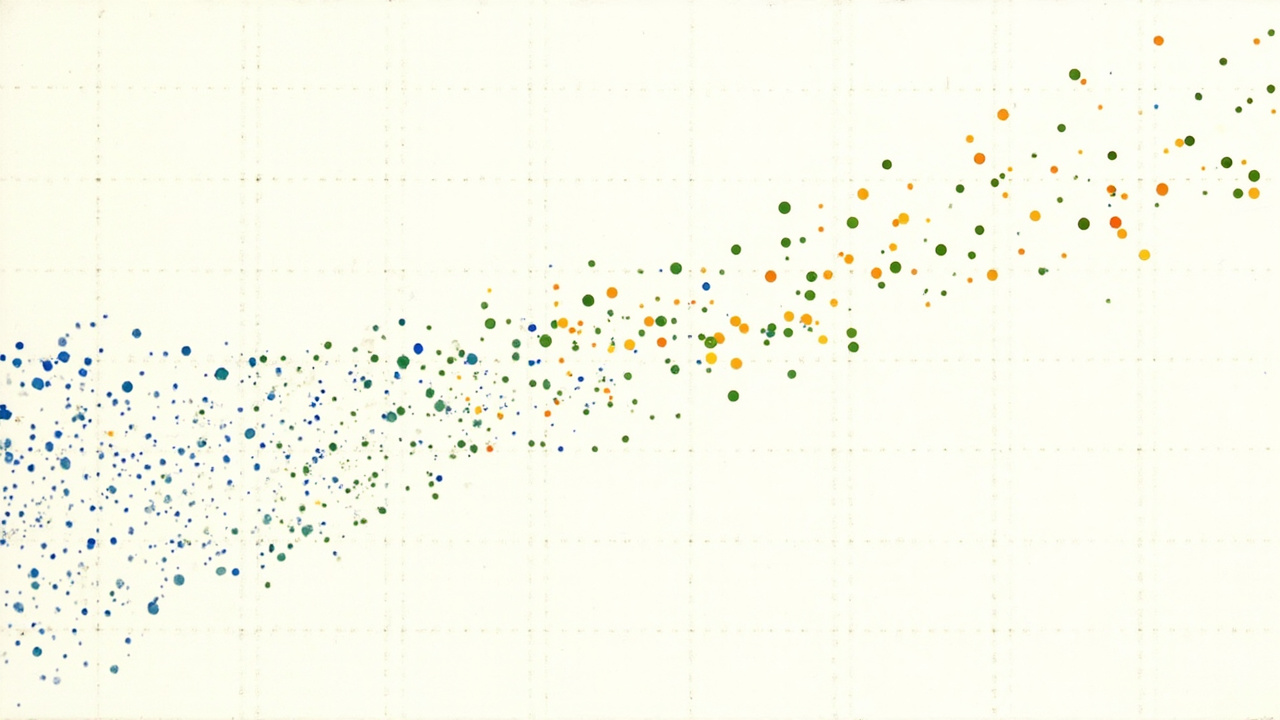
High volatility pokies pay out less often, so the size of each session’s drawdown matters more than the headline payout. In QA terms, I treat this like stress-testing a build: you don’t judge reliability by a single happy path, you map the worst-case sequence and see whether your buffer survives it. For a Darwin punter sitting down on a slow weekday, that means sizing bets so a dry run of fifty or sixty spins doesn’t wipe the session before a cluster lands. I’ve flagged releases where the demo curve looked fine but the live swing was wider than the spec, and the same discipline applies here – if the top prize is real but the path to it is thin, your bankroll plan needs to reflect that, not the marketing copy.
| Detail | What to expect |
|---|---|
| Positioning | High-volatility pokies grouped by swing profile, not just theme |
| Providers | Curated slots from established studios with published hit-frequency data |
| Bonus mechanics | Wagering tied to volatility tier, with clearer contribution rules |
| Payments | AUD accounts, AUD and BTC options, per-method limits and processing windows |
| Registration | Standard identity checks before any withdrawal, no shortcuts |
| Mobile | Same game list and cashier flow as desktop, no trimmed feature set |
| Support | Live chat and email during local hours, with ticket tracking |
| Loyalty | Points earned on eligible play, redeemable against bonus credit |
Check the cashier flow before the first spin
The game choice is only half the call; the other half is whether the cashier can keep up with the tempo you’re bringing. High volatility sessions tend to move money in bigger chunks, so deposit limits, currency handling, and withdrawal processing need to line up with how you actually play. I’ve reviewed builds where the front end felt solid but the payment path had hidden friction, and that’s the kind of thing that turns a clean session into a messy one when you’re trying to move funds after a run. If you’re comparing operators, look for clear AUD accounting, sensible per-method limits, and a verification flow that’s upfront rather than sprung on you at the withdrawal stage. For a broader look at the mechanics behind these titles, see our related article on features and risks, then come back to the payment side before you commit.
Weigh bonus terms against the volatility profile
Bonus credit can soften a rough patch, but the terms often don’t line up neatly with high volatility play, and that’s where I’ve seen players get caught out. A wagering multiplier that looks manageable on low-volatility titles can turn into a long grind when the game’s paying less frequently, so the contribution rules and game weighting matter as much as the bonus size. I’ve sat in release reviews where the bonus engine passed functional checks but the playthrough maths didn’t suit the game mix, and the same caution applies here: read the volatility tier, the eligible game list, and the max bet caps during playthrough before you treat a promo as a buffer. Operator-side, some teams argue that bonus terms should be tighter on high-volatility titles to protect the ledger, while others reckon players should be free to choose their risk profile; both views have a point, and the honest read is that the terms need to match the game, not the other way around.
Plan the session, not just the payout
High volatility pokies reward a clear plan more than a loose one, because the swings are wider and the quiet stretches are longer. I’ve seen release candidates pass functional testing but fail the session-planning check, where the game was fine in isolation but the combined effect of bet size, stop-loss discipline, and withdrawal timing wasn’t thought through. For an Australian player, that usually means setting a session limit in AUD, picking a bet size that leaves room for the dry runs, and knowing when you’ll step away rather than hoping a cluster turns up on cue. Some analysts argue that volatility is mostly a marketing label and that hit frequency matters more, while others say the swing profile is the whole point; I’d say both are partly right, because a game can be labelled high volatility and still suit a patient session if the bankroll and limits are sized properly. If you want a closer look at the brand behind the list, drop by https://melusine21cent.com/ and check how the games, payments, and terms sit together before you fund.

Choosing high volatility pokies comes down to matching the swing to your bankroll, checking that the cashier can handle the pace, reading the bonus terms against the game profile, and planning the session before the first spin. The right pick isn’t the one with the biggest headline payout; it’s the one whose volatility, limits, and payment flow line up with how you actually want to play.